What is Medical Evacuation and Repatriation Insurance? A Traveler’s Guide
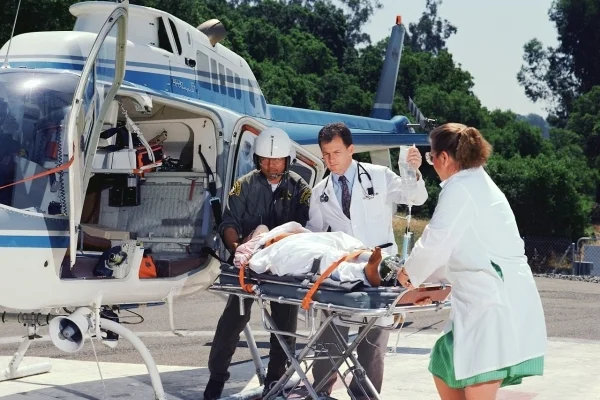
Medical evacuation and repatriation insurance is a specialized type of coverage designed to protect travelers from the high costs associated with emergency medical transport. Medical evacuation, often abbreviated as medevac, refers to the transportation of an individual from the site of an injury or illness to the nearest appropriate medical facility. Repatriation, on the other hand, involves returning the insured person to their home country for further treatment or recovery. This insurance is particularly vital for international travelers, where local healthcare may not meet standards or be accessible in remote areas.
In the context of travel to destinations like Tanzania, where activities such as climbing Mount Kilimanjaro or safari adventures in remote parks carry inherent risks, understanding what is medical evacuation and repatriation insurance can make the difference between a manageable emergency and a financial disaster. According to the U.S. State Department, medical evacuations can cost upwards of $100,000, and repatriation even more if long-distance flights are required. KiliFlying Air, a leading provider of air transport services in Tanzania, partners with major insurers to ensure seamless coordination during emergencies, making this insurance an essential part of any travel plan.
This comprehensive guide will define these terms in detail, explain the coverage provided, highlight key benefits, and discuss how KiliFlying Air’s partnerships enhance the value of such insurance. Whether you're planning a high-altitude trek or a wildlife safari, knowing what medical evacuation and repatriation insurance entails will help you travel with confidence. We'll also explore real-world scenarios, cost factors, and tips for choosing the right policy, aiming to provide over 1500 words of in-depth information to equip you for safe travels.
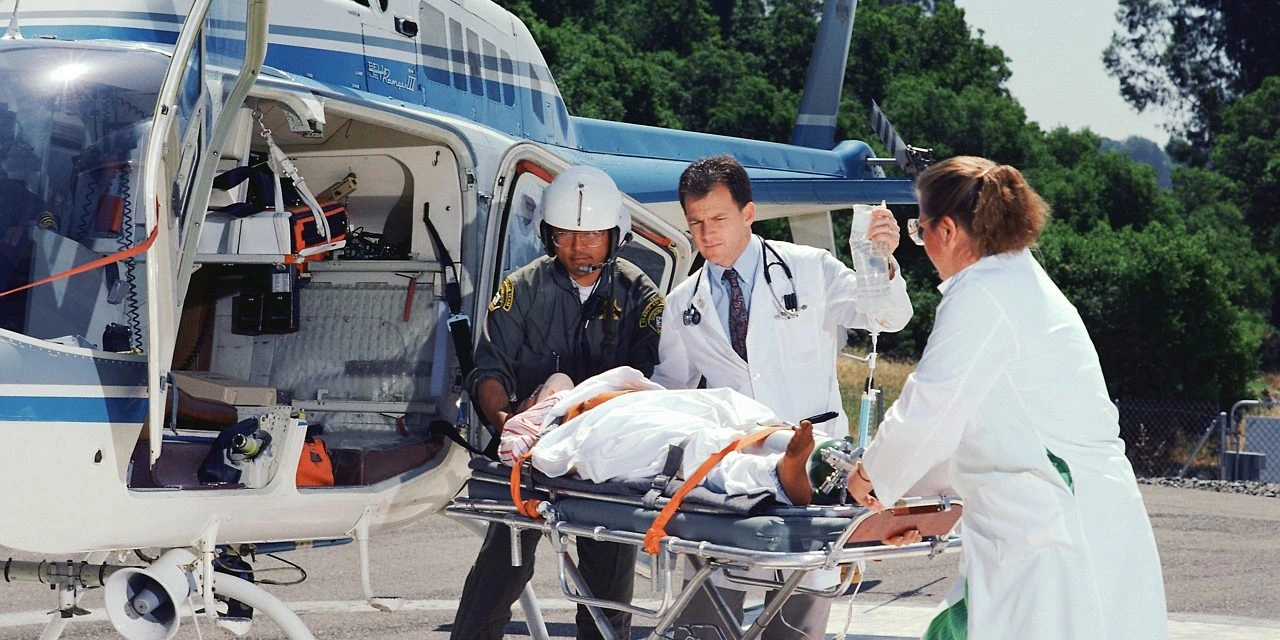
As global travel increases, so does the need for robust insurance. The World Health Organization (WHO) reports that millions of travelers face medical emergencies abroad annually, with evacuation being a common requirement in developing regions. In Tanzania, where infrastructure in rural areas is limited, air evacuation via helicopters like those operated by KiliFlying Air is often the only feasible option. This insurance not only covers the transport but also ensures that the process is handled by professionals, minimizing health risks during transit.
Defining Medical Evacuation: What Does It Mean for Travelers?
Medical evacuation is the process of transporting a patient from the location of an emergency to a medical facility capable of providing the necessary care. This can involve helicopters, airplanes, or ground ambulances, depending on the terrain and urgency. In medical terms, it's a critical intervention when local resources are inadequate, such as in cases of severe trauma, heart attacks, or altitude-related illnesses.
For travelers in Tanzania, medical evacuation often means air transport due to the country's vast and rugged landscapes. For example, if a climber on Kilimanjaro develops acute mountain sickness (AMS), a helicopter evacuation to a hospital in Moshi or Arusha is essential. KiliFlying Air's fleet is specifically equipped for such high-altitude operations, with features like oxygen systems and medical stretchers. The purpose is to stabilize the patient en route, reducing the risk of further complications.
Insurance coverage for medical evacuation typically includes the cost of transportation, medical personnel, and equipment. Policies may specify limits, such as $50,000 to $1 million, depending on the provider. It's important to note that standard health insurance rarely covers international evacuations, making dedicated travel insurance necessary.
What is the Role of Medical Evacuation in Remote Travel Destinations?
In remote destinations like Tanzania's Serengeti or Kilimanjaro, medical evacuation bridges the gap between isolation and advanced care. Statistics from the Centers for Disease Control and Prevention (CDC) indicate that 1 in 6 travelers to developing countries faces a medical issue, with evacuation needed in severe cases. KiliFlying Air's 24/7 operations ensure response times under an hour, aligning with the "golden hour" principle for emergencies.
Coverage often extends to coordination with local authorities and hospitals, ensuring smooth handovers. For instance, our teams work with Tanzania's Ministry of Health to comply with regulations, providing peace of mind for insured travelers.
Understanding Repatriation: Returning Home Safely
Repatriation is the process of returning a traveler to their home country after an initial medical evacuation or when long-term care is needed. This can involve commercial flights with medical escorts or dedicated air ambulances for critically ill patients. The purpose is to allow recovery in a familiar environment with access to ongoing treatment.
In insurance terms, repatriation coverage ensures that costs for flights, medical staff, and equipment are covered. For Tanzania travelers, this is crucial if specialized care unavailable locally is required back home. KiliFlying Air facilitates repatriation by coordinating with international air ambulance services, ensuring seamless transitions from local evacuations.
Policies may include repatriation of remains in unfortunate cases, covering transport and administrative costs. According to Insurance Information Institute (III), repatriation can cost $25,000-$100,000, making it a key component of travel insurance.
What is the Difference Between Medical Evacuation and Repatriation in Insurance Policies?
While medical evacuation focuses on immediate transport to the nearest facility, repatriation emphasizes return home for continued care. Evacuation is short-distance and urgent, often by helicopter, while repatriation is long-distance, possibly by plane. Insurance policies may bundle them, but limits vary—evacuation might cap at $100,000, repatriation at $50,000.
For Tanzania, evacuation might take you from Kilimanjaro to Nairobi, with repatriation to Europe or the US. KiliFlying Air's partnerships ensure both are covered efficiently.

This infographic illustrates the key differences and coverage elements, helping travelers visualize their insurance needs.
What Does Medical Evacuation and Repatriation Insurance Cover?
This insurance typically covers:
- Transportation costs: Helicopters, planes, or ambulances.
- Medical personnel: Doctors, nurses, and paramedics during transit.
- Equipment: Oxygen, defibrillators, and stretchers.
- Coordination: Logistics with hospitals and authorities.
- Repatriation of remains: In case of death.
Exclusions may include pre-existing conditions or high-risk activities without add-ons. In Tanzania, coverage for Kilimanjaro requires specifying adventure sports. KiliFlying Air recommends policies with at least $100,000 for evacuation and $50,000 for repatriation.
How Much Coverage Do You Need for Medical Evacuation and Repatriation?
Coverage amounts vary: Basic plans offer $50,000, premium up to $1 million. For Tanzania, $100,000-$250,000 is ideal, considering air transport costs ($10,000-$50,000 per evacuation). Factors include trip length, activities, and health. KiliFlying Air's experience shows that adequate coverage prevents financial strain during emergencies.
Compare providers like Allianz ($100,000 for $200/year) or World Nomads ($500,000 for adventure trips). Always read fine print for Tanzania-specific inclusions.
Benefits of Medical Evacuation and Repatriation Insurance
The benefits are multifaceted:
- Financial protection: Covers high costs, preventing debt.
- Access to quality care: Ensures transport to suitable facilities.
- Peace of mind: Allows focus on recovery, not logistics.
- Family support: Often includes companion travel.
- Global assistance: 24/7 hotlines for coordination.
For Tanzania travelers, these benefits are amplified by partnerships like KiliFlying Air's with insurers, ensuring quick claims. Case study: A climber evacuated from Kilimanjaro via our service had full coverage, recovering without financial worry.
Real-World Examples of Medical Evacuation and Repatriation in Action
Consider a U.S. traveler on Kilimanjaro developing HAPE. Medical evacuation to Nairobi costs $20,000, with repatriation to the U.S. adding $80,000. Insurance covers it all. Another example: A safari accident in Serengeti requires helicopter transport ($15,000), handled by KiliFlying Air. Without insurance, costs are out-of-pocket. These scenarios underscore the insurance's value.
Statistics from III show 1 in 30 travelers uses evacuation coverage. In Tanzania, with 1.5 million tourists annually (Tanzania Tourist Board), many benefit from such policies. KiliFlying Air has facilitated hundreds of evacuations, emphasizing the need for comprehensive coverage.
KiliFlying Air’s Partnerships with Insurance Providers
KiliFlying Air partners with top insurers like Allianz, Global Rescue, and World Nomads to streamline evacuations. Our process includes pre-authorization via Guarantee of Payment (GOP), ensuring no delays. We comply with GDPR for data handling and IFRS for financial transparency.
These partnerships mean direct billing, reducing your upfront costs. For Tanzania, our local knowledge ensures efficient operations. Learn more at Medical Evacuation.
This infographic shows key partners and coverage benefits, aiding your decision-making.
How KiliFlying Air Enhances Your Insurance Experience
Our 100% safety record and TCAA-certified fleet ensure reliable service. We provide documentation for claims, including flight logs and medical reports. For repatriation, we coordinate with international providers. Testimonials: “KiliFlying Air's partnership with my insurer made evacuation seamless,” says Mark S. from Australia.
We also offer guidance on policies, helping choose ones covering high-risk activities. This integration makes us a trusted partner for insured travelers in Tanzania.
Choosing the Right Medical Evacuation and Repatriation Insurance
Select based on coverage limits, exclusions, and cost. Look for policies including adventure sports for Kilimanjaro. Compare via sites like InsureMyTrip. Ensure 24/7 assistance and no deductibles for evacuations.
Costs range $50-$500/year, with higher for comprehensive plans. Annual policies suit frequent travelers. KiliFlying Air recommends checking Tanzania-specific inclusions.
Common Mistakes to Avoid When Buying Insurance
Avoid assuming standard travel insurance covers evacuation—many don't. Don't overlook repatriation if traveling far. Check for exclusions like pandemics or war. Read reviews and fine print. KiliFlying Air can advise on compatible policies.
Another mistake: Underinsuring for costs. Aim high for Tanzania.
Frequently Asked Questions
Protect your travels with the right insurance. Explore our Medical Evacuation service or contact us for personalized advice.
Book Medical Evacuation