What Factors Affect Helicopter Charter Pricing?
Helicopter charter pricing depends on multiple variables including aircraft type, flight duration, distance, seasonal demand, and additional services—understanding these helps accurate budgeting for scenic flights, transfers, or custom charters.
What Factors Affect Helicopter Charter Pricing: Key Influences Explained
Charter costs reflect operational realities rather than fixed rates, allowing tailored pricing that matches exact requirements while remaining competitive.
KiliFlying Air maintains transparent pricing with no hidden fees, providing detailed breakdowns so clients understand value received.
This guide examines primary pricing factors, how they interact, and strategies for optimizing costs on your Tanzania helicopter experience.
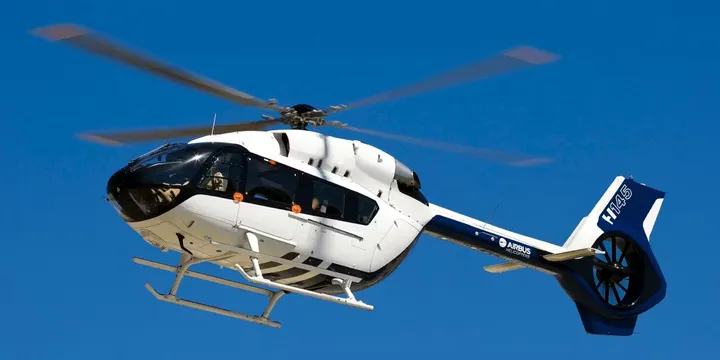
Aircraft Type and Size
Largest impact: light single-engine models cost less than medium twin-engine. Twins offer redundancy, speed, range, and comfort justifying higher hourly rates.
Passenger count and baggage needs often dictate suitable aircraft.
Flight Duration and Minimums
Billed by flight time (takeoff to landing). Minimum durations (30-60 minutes) cover fixed costs. Longer bookings reduce effective hourly rate through better value.
Full-day or multi-flight packages offer significant savings.
Distance and Route Complexity
Longer distances increase fuel and time. Remote landings, multiple stops, or custom routing add coordination and potential repositioning costs.
Efficient direct transfers cheaper than extensive scenic orbits.
Seasonal and Demand Factors
Peak migration (June-October) and holidays see higher demand and rates. Off-peak offers better availability and potential discounts.
Last-minute bookings may carry premiums when supply limited.
Additional Services and Fees
Landing/parking fees, overnight crew accommodation for multi-day, catering, ground transport coordination, or special requests (doors-off, photography setup) quoted separately.
Taxes and insurance included in base rate.
Frequently Asked Questions
Understanding pricing factors enables informed decisions. Contact KiliFlying Air for a detailed, no-obligation quote tailored to your plans.